What to Eat Before Muay Thai Training: Your Complete Nutrition Guide for Peak Performance
Stepping into the ring or onto the training mat requires more than technique and heart. Your body needs fuel - the right kind of fuel, consumed at the right time. Whether you are coming in as a complete beginner or returning after a break, pre-training nutrition matters more than most people realize.
In Bangkok especially, with the heat and humidity, understanding what to eat before training can be the difference between a great session where you feel strong and sharp versus one where you are dragging through the third round. This is your guide to fueling your Muay Thai journey properly.
When should you eat before training?
Timing is everything when it comes to pre-training nutrition. The general rule is simple: eat a full meal 2-3 hours before training. This gives your body enough time to digest the food and convert it into usable energy without that heavy feeling while you are moving. If you are training early in the morning and cannot wait three hours, a smaller snack 30-60 minutes before training works well.
Think about your own schedule. If you train at 5 PM, eating a solid lunch at 2 PM makes sense. If you have a morning session, a banana with a small handful of almonds 45 minutes before you start will give you what you need without making you feel sluggish.
What foods give you sustained energy for Muay Thai training?
The foundation of pre-training nutrition is complex carbohydrates. Your body preferentially burns carbs during high-intensity activity, and Muay Thai is as high-intensity as it gets. Complex carbs release energy slowly and steadily throughout your session, keeping you strong from round one through round five and beyond.
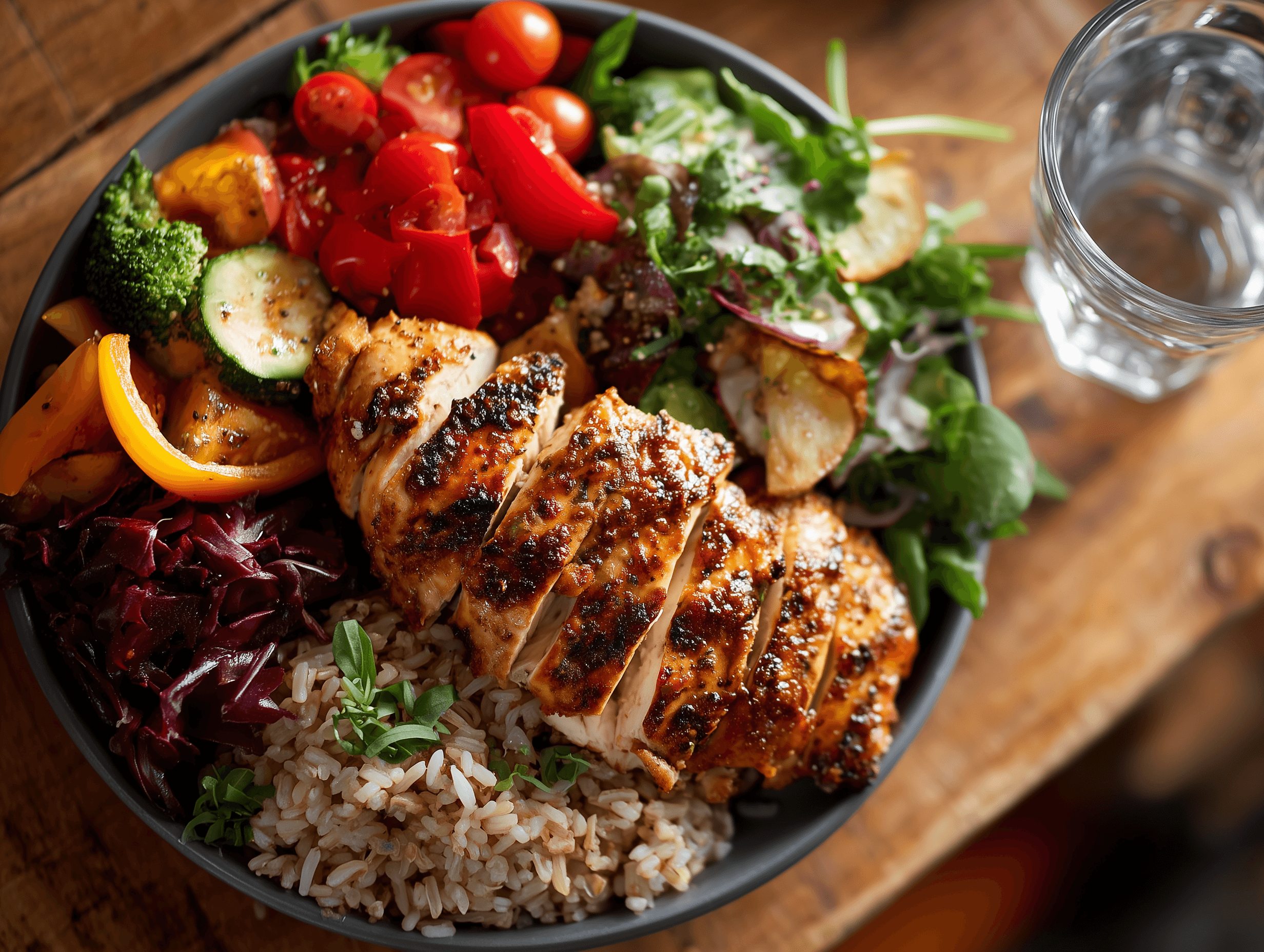
Good pre-training meals include oatmeal topped with fresh fruit, whole-grain toast with peanut butter and sliced banana, grilled chicken with brown rice and vegetables, or a sweet potato with lean ground turkey. These meals give you sustained fuel plus the protein your muscles need for repair.
The balance matters. You want carbs to be your primary fuel source, with moderate protein and healthy fats to support muscle recovery and satiety. A common mistake is focusing too much on protein - yes, you need it, but too much protein before training can actually slow down digestion.
Why does hydration timing matter before your session?
Dehydration in Bangkok heat kills performance. A simple formula: drink about 1 ounce of water for every 10 pounds of body weight, 2-4 hours before training. If you weigh 150 pounds, that means roughly 15 ounces (about 440 milliliters) of water in the couple hours before you step on the mat.
Do not wait until you feel thirsty - by then, your performance is already declining. Hydration is preventive, not reactive. And in Bangkok, where the heat and humidity are relentless, getting your fluids in before training is non-negotiable.
What should you absolutely avoid eating before training?
This is where many people make mistakes. Heavy, greasy, fried foods before training are your enemy. Your body is directing blood to your digestive system instead of your muscles. You feel sluggish, your breathing is compromised, and your performance tanks.
Avoid fast food, heavily processed meals, foods high in saturated fats, and anything likely to give you gastrointestinal distress. Some of the worst pre-training choices are deep-fried foods, fatty cuts of meat, sugary snacks without any protein or complex carbs, and meals drowning in heavy sauces.
Excessive sugar intake before training is also problematic. Yes, sugar gives you a quick energy spike, but it crashes just as fast. You get a rush, then a crash, and suddenly you are exhausted halfway through your session. Stick with foods that provide sustained energy.
How do you adjust your pre-training nutrition as you progress?
As your fitness improves and your training intensity increases, your nutritional needs evolve. Beginners can often get away with lighter meals before training. Advanced practitioners pushing themselves harder may need more carbs and protein to fuel their sessions.
Pay attention to how your body responds. If you feel strong and energized, you are eating at the right time. If you feel sluggish or drained, adjust. Maybe you need to eat earlier, or maybe you need a larger meal. Everyone is slightly different, and finding your optimal timing and portion size is part of the training process.
The community factor: training better together
Here at INNOV8 MMA, we see people come in at all different levels and with all different backgrounds. Some arrive fresh from a healthy breakfast. Others are coming straight from work. Some know exactly what to eat. Others are figuring it out for the first time.
The beautiful part is that everyone here understands the journey. When you fuel your body properly and show up ready to train hard, you bring that energy to your community. You are not just improving yourself - you are elevating the entire gym. Real training means taking care of the small things, including what you eat before you step on the mat.
Fuel yourself right. Show up ready. Train hard.